








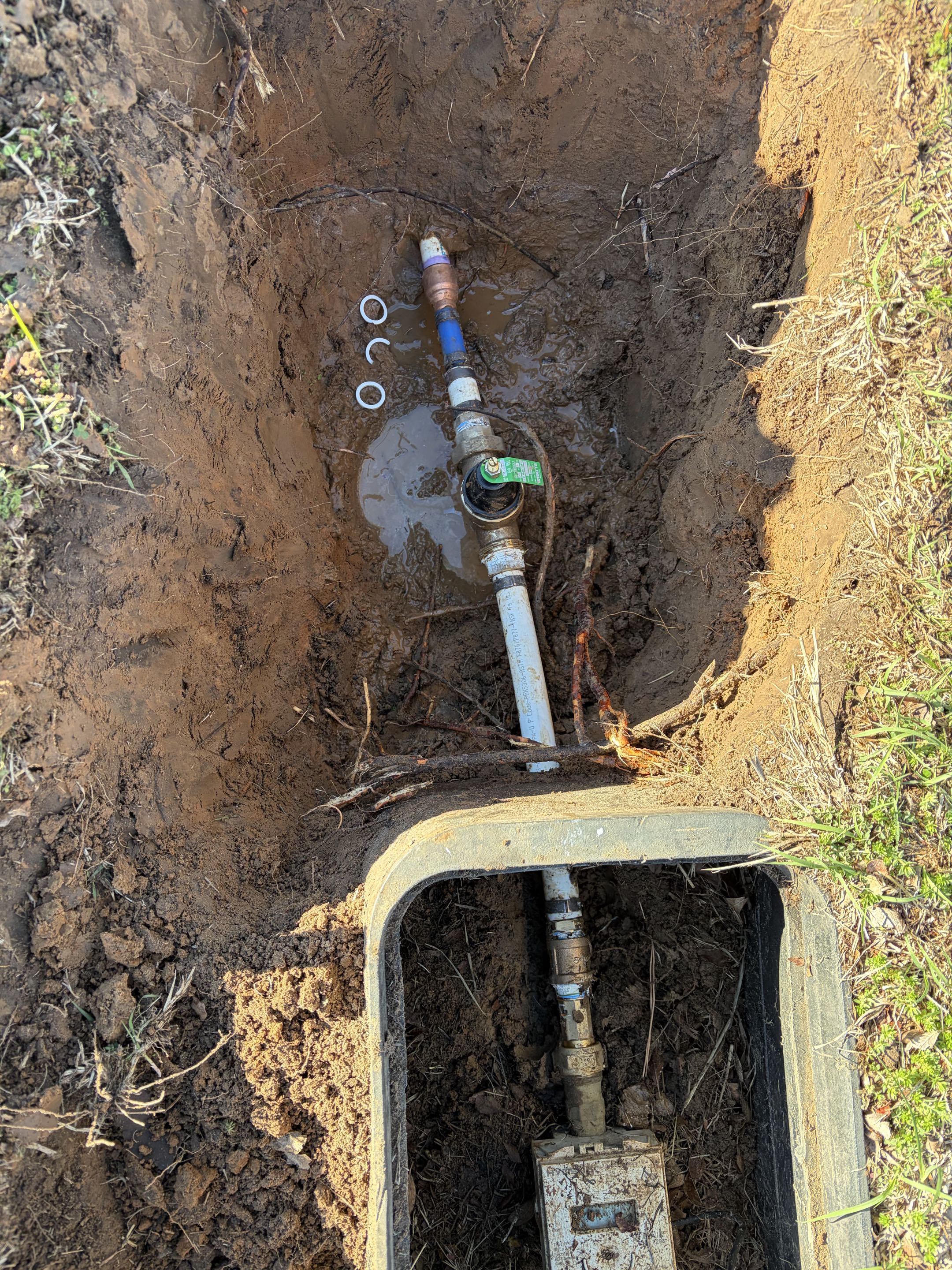





We Pulled a 4-Foot Root Ball Out of a Sewer Line. Here's What That Means for Your Home
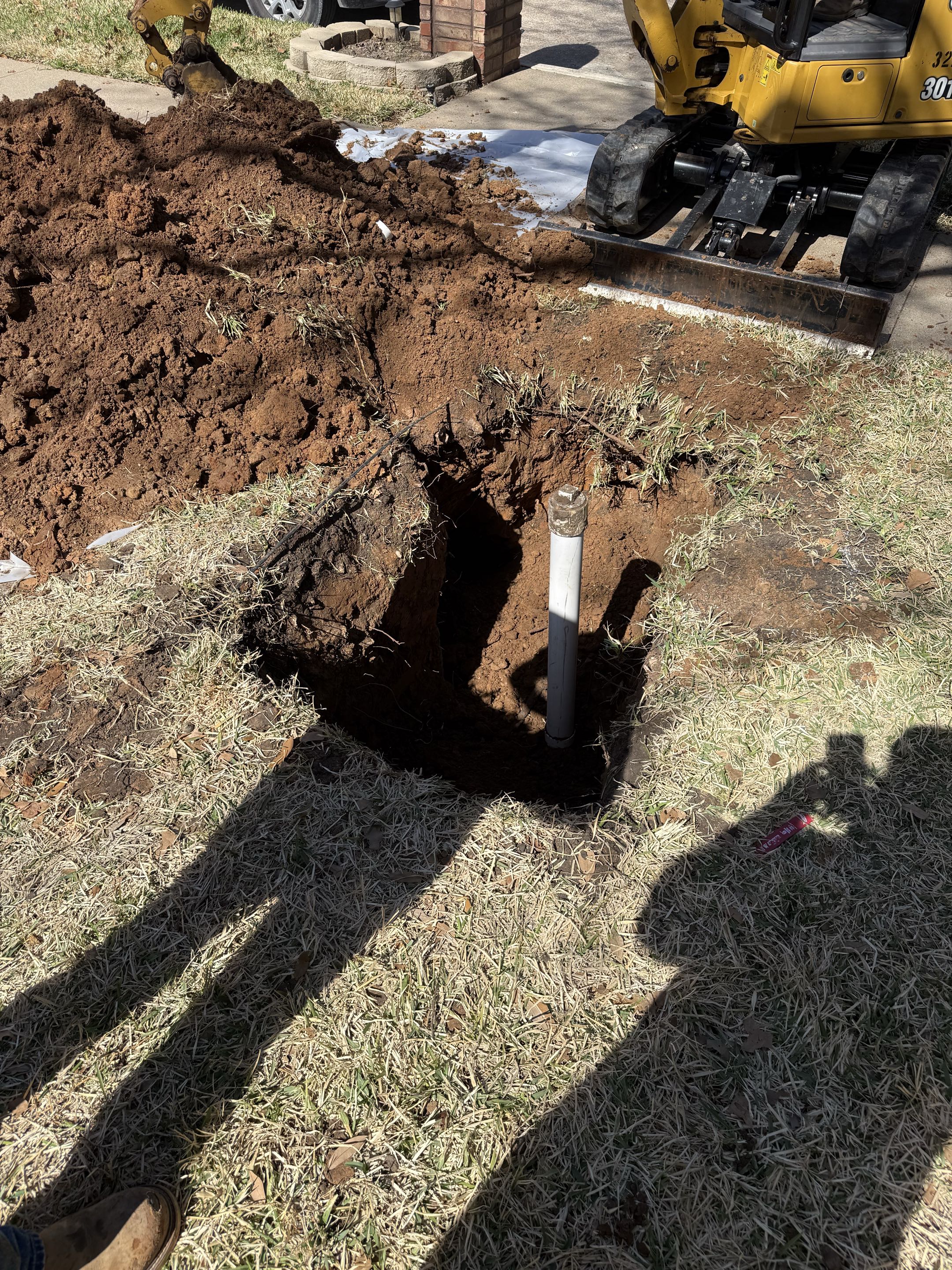
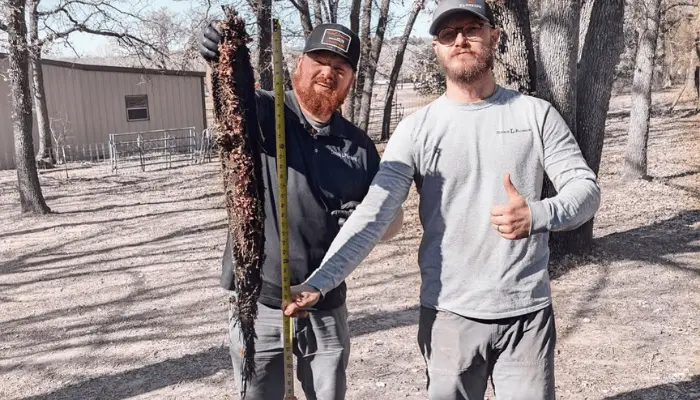
That is a real root ball. Pulled from a real sewer line. In a real backyard right here in the Azle area.
We've seen a lot of drain calls over the years — grease buildups, flushed wipes, collapsed pipes. But when our guys pulled this thing out and held it up next to a tape measure, even they were impressed. That root ball measured just over four feet long.
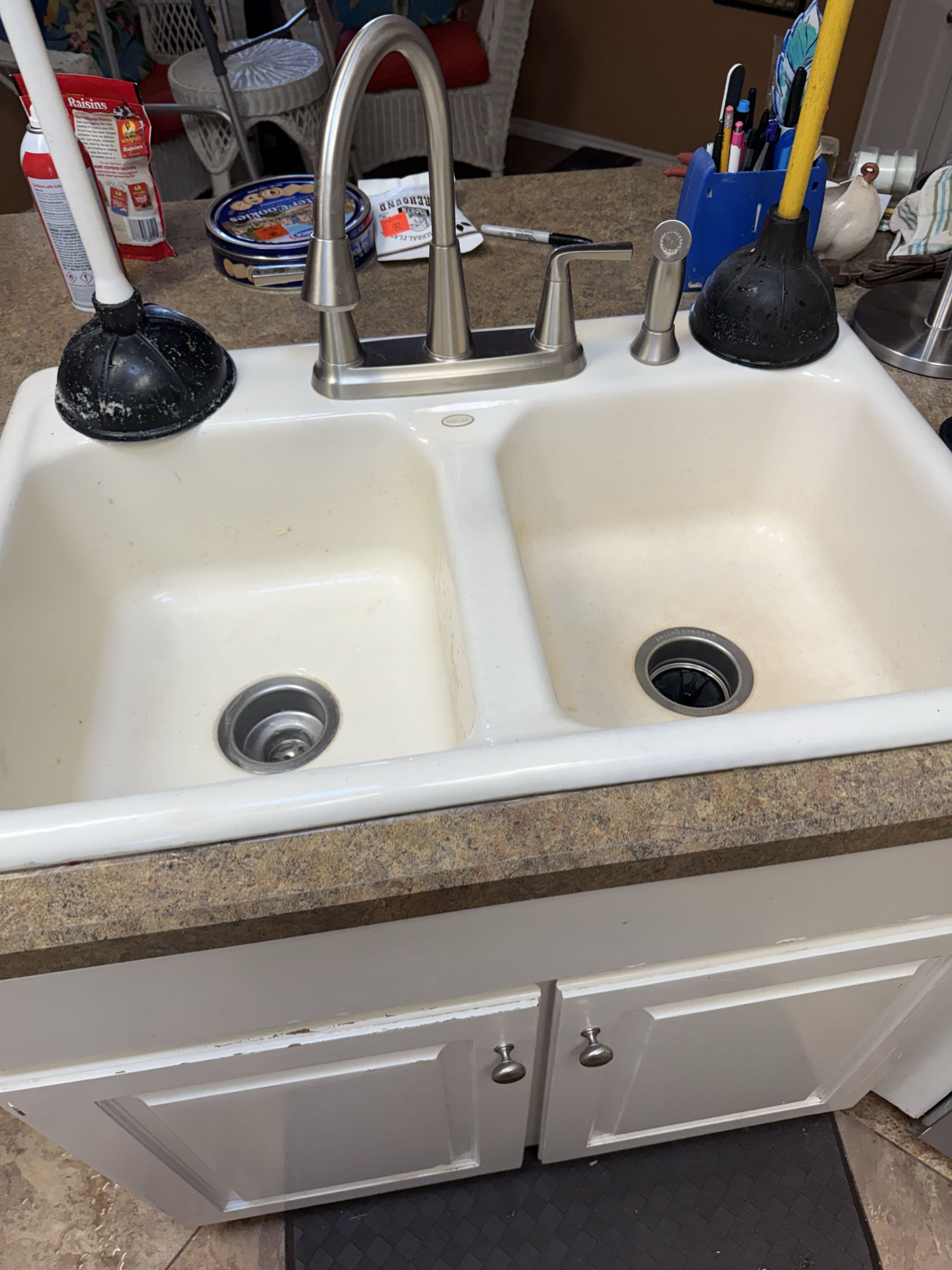
No wonder that the homeowner's drains had been sluggish for months. By the time we got there, the sewer line was almost completely choked off.
We're not sharing this to be dramatic. We're sharing it because this exact situation is probably happening — right now, slowly — underneath dozens of homes in Azle, Weatherford, Springtown, and the surrounding area. And most people have no idea until the toilet starts backing up into the shower.
How Tree Roots Get Into Your Sewer Line
Tree roots don't smash through pipes. They're actually a lot more patient than that.
Every sewer pipe has tiny joints where sections connect. Over time, those joints develop hairline cracks or slight separations — especially in older clay or cast iron pipes. When that happens, warm, moist air escapes from inside the pipe. Tree roots can sense that moisture from surprisingly far away.
The roots work their way in through the smallest opening — sometimes a crack you'd need a magnifying glass to see. Once inside, they have everything they need: water, nutrients, and space to grow. And grow they do. Over months and years, a tiny root thread becomes a mass like the one in that photo.
The EPA estimates that root intrusion is one of the leading causes of sewer line failures in residential areas across the U.S. In North Texas specifically, fast-growing trees like live oaks, willows, and hackberries are common culprits — and Parker and Tarrant County have no shortage of them.
The Warning Signs You Shouldn't Ignore
This is the part that matters most. Root intrusion doesn't announce itself all at once. It builds slowly, which means there's usually a window to catch it before you're dealing with sewage in your home.
Watch for:
- Multiple slow drains throughout the house — not just one sink, but several at once
- Gurgling sounds coming from toilets or drains after you run water elsewhere
- A foul sewage smell outside in your yard, especially near the sewer cleanout
- Unusually green or lush patches of grass growing over your sewer line — that means nutrients are leaking out
- Recurring clogs that keep coming back even after you've had them cleared
If any of those sound familiar, it's worth getting a plumbing video camera inspection done [internal link: doublelplumbingservice.com/plumbing-video-camera-inspection/]. We can run a camera through your sewer line and show you exactly what's in there — no guessing, no unnecessary digging.
What Happens If You Leave It
We'll be straight with you: if a partial root blockage becomes a full blockage, the sewage has to go somewhere. And it usually goes back up into the lowest drain in your house — a floor drain, a bathtub, or a toilet on the ground floor.
A full sewer backup is a mess, a health hazard, and a much more expensive problem than the drain cleaning that could have prevented it. In some cases, roots that have been growing for years can crack or collapse the pipe itself — which means a full sewer line repair or replacement instead of a simple cleaning.
The homeowner in that photo caught it at the right time. The line was badly choked, but the pipe itself was still intact. We were able to clear it with our sewer line cleaning service [internal link: doublelplumbingservice.com/sewer-services/] and get everything flowing again the same day.
How We Clear Root Intrusion
For most root blockages, we use a heavy-duty drain snake with a cutting head designed specifically for root removal. It cuts through the root mass and clears the line.
For more advanced cases — or for lines that have been dealing with recurring root problems — we recommend hydro jetting. That's a process where we send high-pressure water through the line to not only remove the roots but also flush out everything coating the inside of the pipe. It's the most thorough clean you can get.
After clearing, we always recommend a follow-up camera inspection so you can actually see the condition of the pipe. If there's damage, we'll walk you through your options honestly — whether that's a targeted sewer line repair [internal link: doublelplumbingservice.com/sewer-line-repair-replacements/], a spot fix, or in rare cases, a full replacement.
Can You Prevent Root Intrusion?
To an extent, yes. A few things help:
- Be thoughtful about where you plant trees. Keep large, fast-growing trees well away from your sewer line — most run from your house toward the street. If you're not sure where your line runs, we can help you figure that out.
- Have your sewer line inspected every few years if you have mature trees on your property. Catching early root intrusion is much cheaper than clearing a full blockage.
- If you've had root problems before, some homeowners use copper sulfate root treatments as a preventative. Ask us whether that makes sense for your specific situation.
We're Your Local Drain Cleaning Experts in Azle & Weatherford
Double L Plumbing has been serving the Azle, Weatherford, Springtown, and Fort Worth area for years. Our team lives and works right here in the community — so when we say we've seen what North Texas trees do to sewer lines, we mean it firsthand.
We offer drain cleaning, clogged drain service, sewer camera inspections, and full sewer services for both residential and commercial properties. No upselling, no unnecessary work — just honest answers and quality plumbing.
Don't wait for a full backup.
If your drains are running slowly, gurgling, or you just can't remember the last time your sewer line was inspected — give us a call 817-444-3100 . We'll take a look, tell you what we find, and give you a straight answer on what it needs.