






8 Common Causes of Low Water Pressure in North Texas Homes and What to Do About It
You turn on the shower, and what comes out feels more like a drizzle than a spray. The kitchen faucet fills a pot of water at half the speed it used to. Your dishwasher takes forever to run a cycle. Something is clearly off — but what?
Low water pressure is one of those problems that's easy to live with for a while, but almost always gets worse if you leave it alone. And in a lot of cases, it's a signal that something bigger is going on inside your pipes.
Here's a rundown of the most common reasons water pressure drops in homes across Azle, Weatherford, Springtown, and the surrounding North Texas area — and what each one means for your home.
First: Is the Problem One Fixture or the Whole House?
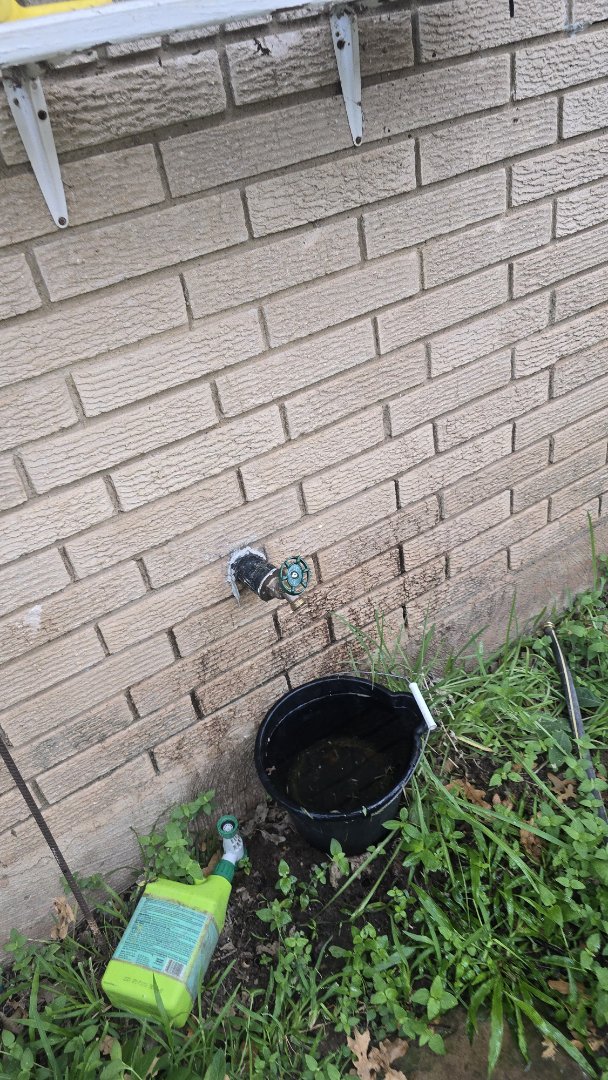
Before anything else, it helps to figure out where the low pressure is showing up. Run through a quick test: check a few different faucets and fixtures around your home — kitchen, bathrooms, outdoor hose bibs. Is the pressure weak everywhere, or just in one spot?
The answer narrows things down significantly.
Low pressure at a single fixture usually points to a localized issue — a clogged aerator, a failing valve, or a problem with that specific fixture. These are typically quick, inexpensive fixes.
Low pressure throughout the house is a different story. That points to something affecting your water supply at a higher level — your main shutoff valve, your pressure regulator, your pipes, or your water main. Those require a closer look.
Common Causes of Low Water Pressure
1. A Partially Closed Shutoff Valve
Your home has a main shutoff valve — usually near where the water line enters the house. If that valve is even slightly closed, it restricts flow to every fixture in the home.
This is one of the first things we check. Sometimes it's been accidentally bumped. Sometimes a previous repair left it not quite fully open. It sounds almost too simple, but it's responsible for more low-pressure calls than you'd think.
2. A Failing Pressure Regulator
Most homes in North Texas have a pressure regulator — sometimes called a pressure reducing valve or PRV — installed where the water line comes in from the street. Its job is to take the higher pressure from the municipal supply and bring it down to a safe, comfortable level for your home (typically between 40 and 80 psi).
When a pressure regulator starts to fail, it can cause pressure to drop across the whole house — or in some cases spike unpredictably. Regulators have a lifespan of around 10 to 15 years, so if yours is older, it may simply be worn out. Replacing one is a straightforward repair that makes an immediate difference.
3. Mineral Buildup Inside Your Pipes
North Texas water is notoriously hard. The high mineral content — primarily calcium and magnesium — is harmless to drink, but over time it leaves deposits inside your pipes. That buildup, called scale, gradually narrows the inside diameter of the pipe. Less space for water to move through means less flow out of your fixtures.
This is especially common in older galvanized steel pipes, which are already prone to corrosion on top of the scale buildup. If your home was built before the mid-1980s, there's a good chance it still has galvanized plumbing. In our experience, once those pipes start restricting flow, cleaning rarely solves the problem long-term — the pipe itself usually needs to go. We wrote about this in more detail if you want to understand what's involved in replacing old galvanized pipes.
4. A Leak Somewhere in Your Plumbing
When water is escaping somewhere it shouldn't be, less of it reaches your fixtures. Depending on where the leak is and how significant it is, the pressure drop can range from subtle to dramatic.
What makes leaks tricky is that many of them aren't visible. Water can be dripping inside a wall, seeping under a slab, or losing pressure somewhere along your water main without leaving any obvious trace — at least not at first. If you've noticed your water bill creeping up alongside a pressure drop, that combination is a strong indicator that you have a leaking pipe somewhere that needs to be found. We broke down the real cost of letting leaks go unaddressed in this post.
5. A Slab Leak
This one deserves its own mention because it's particularly common in North Texas — and particularly misunderstood.
Most homes in the Azle and Weatherford area are built on concrete slab foundations. Water supply lines run beneath that slab before they come up into the house. The expansive clay soil that's common throughout Parker and Tarrant County is constantly shifting — it swells when it rains and contracts during dry stretches. Over years and decades, that movement puts stress on the pipes running underneath your home.
When one of those pipes develops a crack or a pinhole leak under the slab, you've got what's called a slab leak. The signs often include low water pressure, an unexplained spike in your water bill, warm spots on your floor, or the faint sound of water running when everything in the house is turned off. In some cases, you'll notice cracks appearing in your flooring or walls as the moisture affects your foundation.
Slab leaks don't fix themselves, and they can cause serious foundation damage if left alone. We locate them using pressure testing and, when needed, a plumbing video camera inspection so we know exactly where the problem is before any work begins. Depending on the situation, repairs may involve accessing the pipe directly, rerouting the line, or an epoxy pipe lining — we'll always walk you through your options honestly.
6. Water Main or Water Line Problems
Your main water line runs from the city supply at the street to your home. Like any pipe, it can corrode, crack, or develop leaks — especially older lines made from galvanized steel or polybutylene (a material used extensively in Texas homes built between the 1970s and mid-1990s that is notorious for failure).
A deteriorating water line causes pressure loss that affects your entire house. If your home is older and you've never had the line inspected or replaced, it's worth knowing what you're working with. Our team handles water line repairs and full water line replacements for both residential and commercial properties throughout the area.
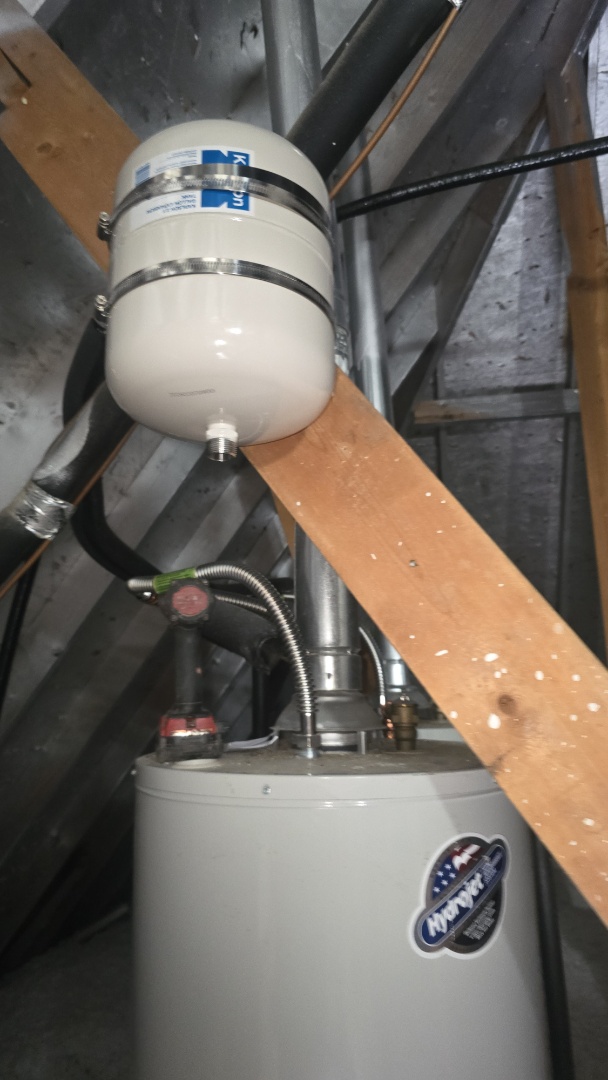
7. Your Water Heater
If the pressure loss only happens with hot water — your cold side runs fine, but hot water trickles out — the problem may be inside your water heater. Sediment buildup in the tank, a failing pressure relief valve, or a closed or partially open shutoff valve on the heater itself can all restrict hot water flow.
Annual flushing helps prevent this, but if sediment has been building up for years, the damage to the tank may be too far along for a simple flush to fix. Our team handles water heater repairs and replacements and can tell you quickly whether what you're dealing with is a maintenance issue or a replacement.
8. A Temporary Issue with Municipal Supply
Occasionally, low pressure is coming from the street — not from anything inside your home. A main break, nearby construction, or high demand in your neighborhood can cause a temporary dip. If it returns to normal within a few hours, this is probably what happened. If it doesn't, the cause is on your side and worth investigating.
What We Recommend
Low water pressure is rarely a problem that resolves on its own. The underlying cause — whether it's a failing regulator, corroded pipes, or a slow leak under your slab — tends to get worse over time, not better.
If pressure has dropped noticeably and you can't point to an obvious reason (like a valve that got bumped), it's worth having a licensed plumber take a look. A good plumbing diagnosis will identify the source, so you're not guessing or paying for fixes that don't address the real problem.
We can also set you up with a plumbing maintenance plan if you'd rather catch these issues before they show up as a problem — water pressure checks, visual inspections, water heater flushes, and more.
Call Double L Plumbing — We'll Figure Out What's Going On
We've been diagnosing and fixing water pressure problems for homeowners across Azle, Weatherford, Springtown, Fort Worth, and the surrounding area for years. Our technicians are local, licensed, and trained to find the real cause — not just the most obvious one.
If your pressure has dropped, give us a call 817-444-3100
We'll take a look, tell you what we find, and give you a straight answer on what it needs. No upselling, no unnecessary work — just good plumbing.